Fruit dove profile
Pink-headed Imperial Pigeon (Ducula rosacea)
Species at a glance
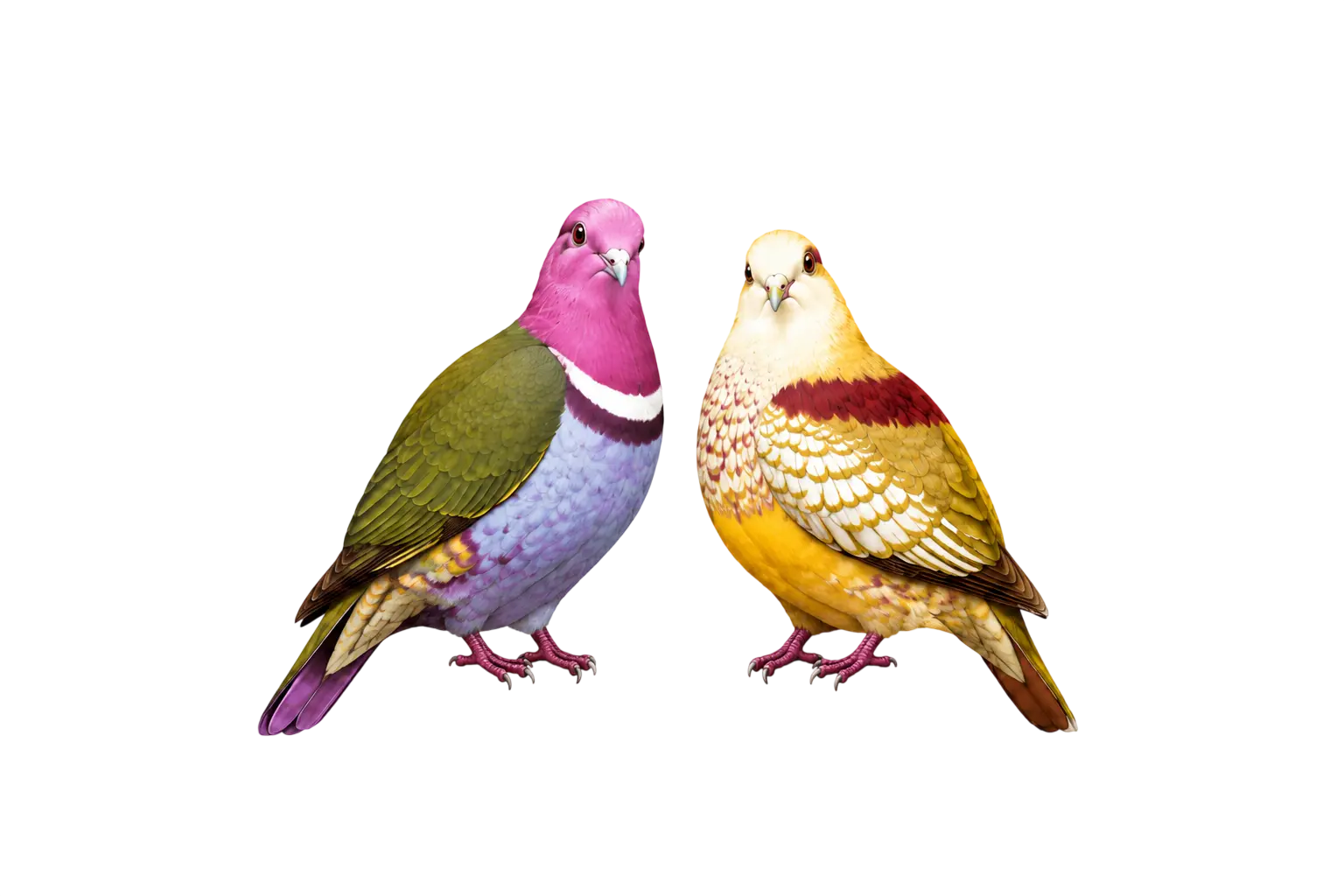
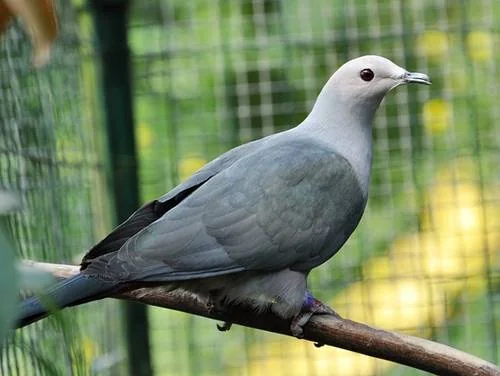
The Pink-headed Imperial Pigeon (Ducula rosacea) is a medium-sized to large island pigeon with a pink head and neck and greenish-grey upperparts. Its range is scattered across numerous island groups in Indonesia and Timor-Leste. The small stock within the European Fruit Dove Project is growing through good breeding results.
- Distribution
- Numerous island groups in Indonesia and Timor-Leste, including islands in the Java Sea, the Lesser Sundas with Timor and Wetar, islands in the Banda Sea, and several island groups south of Sulawesi and in the northern Moluccas.
- Size / characteristics
- about 39–44 cm | around 360–395 g | pink head and neck, greenish-grey upperparts and pale underparts | sexes externally similar
- Status
- Small stock growing through good breeding results
Description
The Pink-headed Imperial Pigeon is identified by its pink head and neck, greenish-grey upperparts and pale underparts. Males and females are externally similar. Rather than occupying one continuous region, the species occurs across a mosaic of islands from the Java Sea through the Lesser Sundas and Banda Sea to island groups in the northern Moluccas. This fragmented distribution makes local populations vulnerable to habitat loss and hunting pressure. The small project stock is developing positively through good breeding results and should continue to be coordinated closely.
Profile & short facts for Pink-headed Imperial Pigeon
| English name | Pink-headed Imperial Pigeon |
|---|---|
| German name | Sundafruchttaube |
| Scientific name | Ducula rosacea |
| Genus | Ducula |
| Category | Ducula - imperial pigeons |
| Distribution | Numerous island groups in Indonesia and Timor-Leste, including islands in the Java Sea, the Lesser Sundas with Timor and Wetar, islands in the Banda Sea, and several island groups south of Sulawesi and in the northern Moluccas. |
| Subspecies | Monotypic; no subspecies are currently widely recognised. |
| Size / characteristics | about 39–44 cm | around 360–395 g | pink head and neck, greenish-grey upperparts and pale underparts | sexes externally similar |
| Status | Small stock growing through good breeding results |
Habitat and natural range
Tropical lowland and monsoon forest, mangroves, moist shrubland, secondary vegetation and regionally plantations on islands.
Feeding in the European Fruit Dove Project
The species feeds mainly on fruit and berries and contributes to seed dispersal in island forests. In human care, a varied fruit ration adapted to the species should be combined with a suitable complementary food. In a small but growing population, food intake, body condition and possible individual intolerances should be documented consistently.
Husbandry in the European Fruit Dove Project
The species requires a spacious, structured aviary with open flight paths, elevated perches, dense cover and quiet retreat areas. Housing must remain frost-free throughout the year and be protected from draughts and strong temperature fluctuations. Overcrowding and competition at nesting or feeding sites may reduce breeding success.
Breeding and offspring
Ducula species normally lay a single egg. Quiet, elevated and stable nest sites together with suitable twig material are important. As the project stock is growing through good breeding results, successful pairings, pedigree, hatching and juvenile development should be documented completely without generalising unverified timing data.
Subspecies and systematics
Monotypic; no subspecies are currently widely recognised.
Special notes on the species
The species is currently classified as Near Threatened. Its highly fragmented island distribution and continuing loss of suitable habitat make the development of individual populations difficult to assess.
Conservation status
| IUCN | Near Threatened |
|---|---|
| CITES | Not listed |
| EU species protection | Not listed |
| Ring size | 11,0 mm |
Further sources
Images of the Pink-headed Imperial Pigeon
Image credits
- Inselfruchttaube (© Johannes Pfleiderer)
- Inselfruchttauben (© Seth Martens)
- Inselfruchttauben (© Johannes Pfleiderer)