Species knowledge & husbandry
Fruit dove species profiles: distribution, husbandry and breeding
Explore detailed fruit dove species profiles covering taxonomy, natural distribution, identifying features, diet, husbandry, breeding and the current status within the European Fruit Dove Project.
Fruit dove species at a glance: distribution, husbandry and breeding
The fruit-dove species profiles combine zoological background with practical husbandry and breeding experience. Each profile explains taxonomy, natural range, habitat, identifying features, diet and behaviour.
The multilingual collection is intended for private breeders, zoos, bird parks and anyone seeking reliable information about fruit-dove species. Content, images and project status are reviewed and expanded continuously.
What are fruit doves?
Fruit doves are predominantly fruit-eating pigeons found in tropical and subtropical habitats. Many species occur in Southeast Asia, New Guinea and the Pacific islands. They differ in plumage, size and natural distribution.
What are the different types of fruit doves?
In the narrower zoological sense, fruit doves include species of the genera Ptilinopus and Ramphiculus. The European Fruit Dove Project also documents related fruit-eating pigeons, including imperial pigeons (Ducula), green pigeons (Treron) and other genera. The collection includes species profiles, subspecies and project stocks whose taxonomic identity is not yet resolved.
Use the search and genus filters below to explore the profiles and compare names, natural ranges and characteristics.
Search the fruit dove species profiles
Use the search and filters to find fruit-dove species by name, genus, category or natural distribution. Profiles can also be sorted alphabetically or by their latest update.
Alectroenas (1)
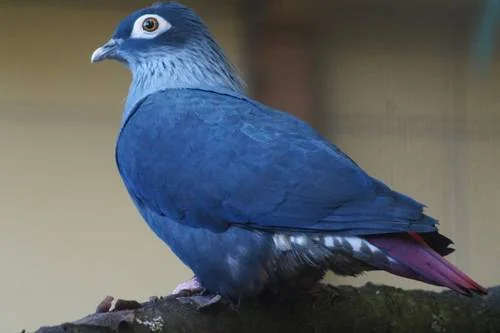
Madagascar Blue Pigeon
Alectroenas madagascariensis
The Madagascar Blue Pigeon (Alectroenas madagascariensis) is a compact, deep blue to slate-coloured forest pigeon with a conspicuous red eye region and reddish tail…
Ducula (19)
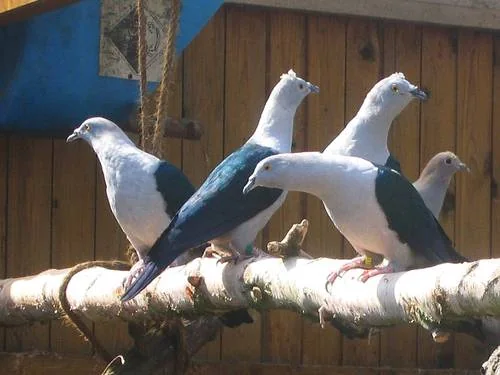
Elegant Imperial Pigeon
Ducula concinna
The Elegant Imperial Pigeon (Ducula concinna), also known as the Blue-tailed Imperial Pigeon, is a large island pigeon with a golden-yellow iris, silvery-grey head…
Spectacled Imperial Pigeon
Ducula perspicillata
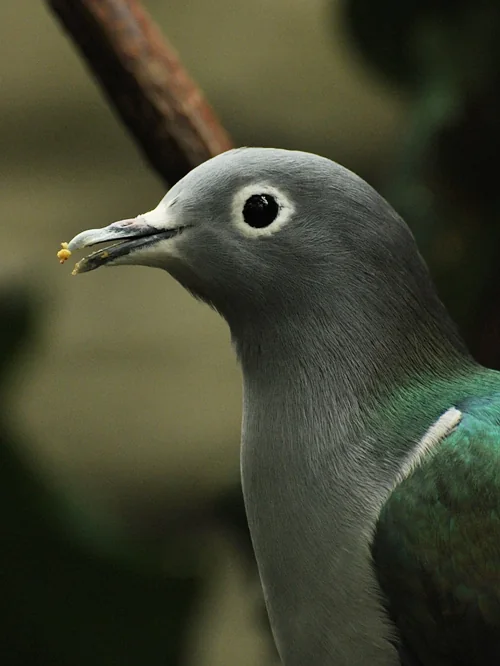
The Spectacled Imperial Pigeon (Ducula perspicillata) is a large green island pigeon with an ash-grey head and conspicuous pale eye-ring. Its currently recognised r…
Green Imperial Pigeon – unresolved project stock
Ducula aenea ssp.
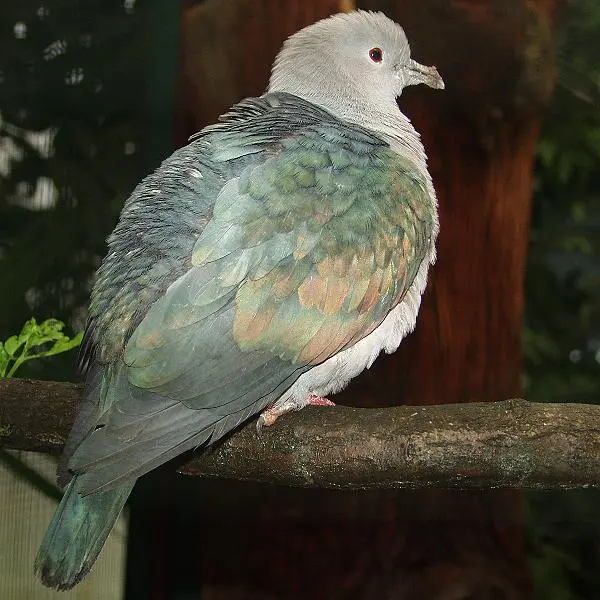
This profile does not represent a valid scientific taxon name but a project stock of Green Imperial Pigeons whose subspecies identity remains unresolved. The birds…
Green Imperial Pigeon
Ducula aenea
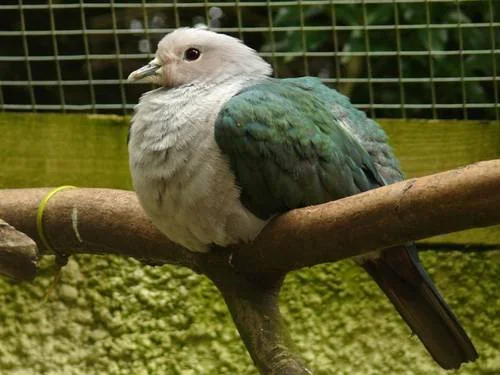
The Green Imperial Pigeon (Ducula aenea) is a large Asian forest pigeon with a pale grey head and underparts and metallic green to bronze upperparts. Its range exte…
Silver-tipped Imperial Pigeon
Ducula luctuosa
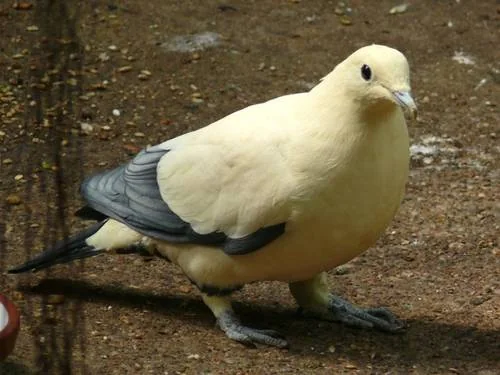
The Silver-tipped Imperial Pigeon (Ducula luctuosa) is a large, predominantly white imperial pigeon with silvery-grey flight feathers edged in dark markings. It occ…
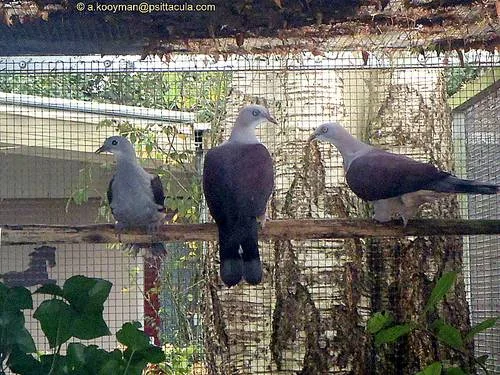
Mountain Imperial Pigeon
Ducula badia
The Mountain Imperial Pigeon (Ducula badia) is a very large Asian imperial pigeon with a maroon-brown back, pale neck and dark tail. It ranges from the Himalayas an…
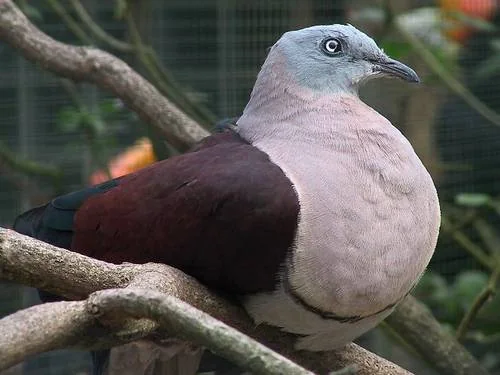
Zoe's Imperial Pigeon
Ducula zoeae
Zoe's Imperial Pigeon (Ducula zoeae) is a large, monotypic imperial pigeon of New Guinea. Its narrow dark breast band clearly separates the grey breast from the che…
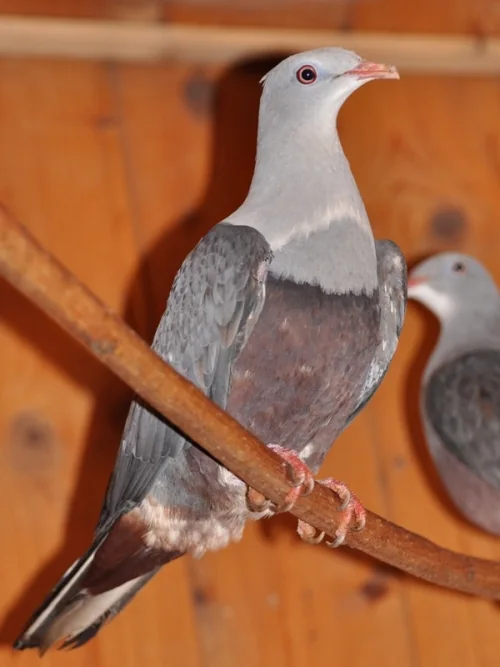
Spotted Imperial Pigeon
Ducula carola
The Spotted Imperial Pigeon (Ducula carola) is a Philippine endemic and globally Vulnerable imperial pigeon. Unlike many Ducula species, males and females differ cl…
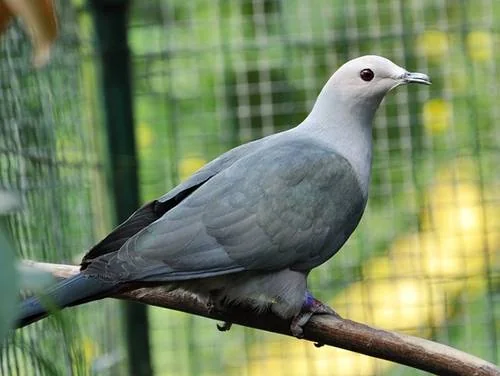
Pink-headed Imperial Pigeon
Ducula rosacea
The Pink-headed Imperial Pigeon (Ducula rosacea) is a medium-sized to large island pigeon with a pink head and neck and greenish-grey upperparts. Its range is scatt…
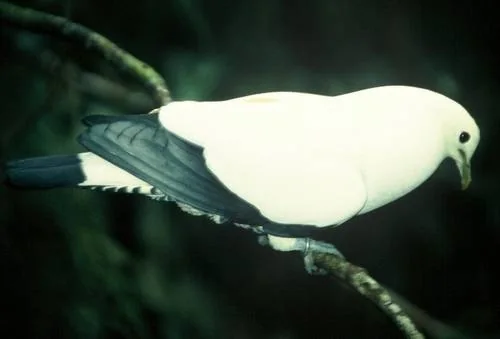
Torresian Imperial Pigeon
Ducula spilorrhoa
The Torresian Imperial Pigeon (Ducula spilorrhoa) is a large white to cream imperial pigeon with black flight feathers and dark spotting on the undertail coverts. I…
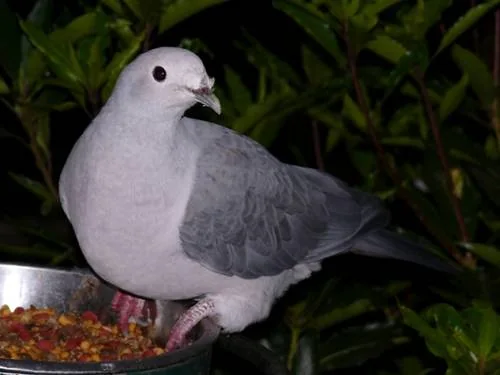
Grey Imperial Pigeon
Ducula pickeringii
The Grey Imperial Pigeon (Ducula pickeringii) is a large, predominantly pearl-grey island pigeon with darker wings and a fine pale eye-ring. It occurs on several sm…
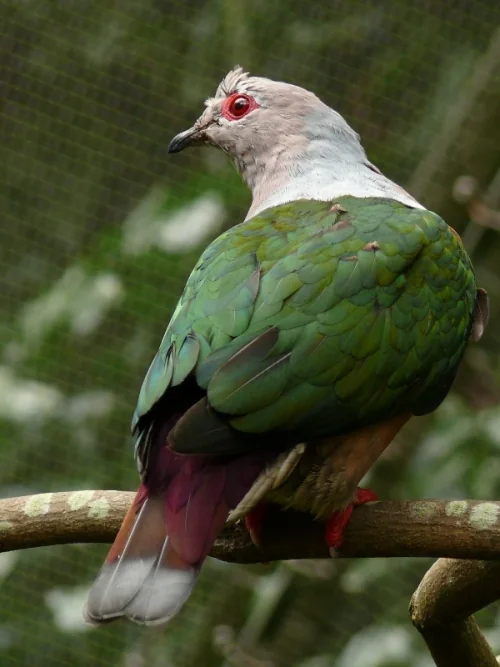
Purple-tailed Imperial Pigeon
Ducula rufigaster
The Purple-tailed Imperial Pigeon (Ducula rufigaster) is a large forest pigeon of New Guinea with a grey head, glossy greenish upperparts and a distinctive rufous t…
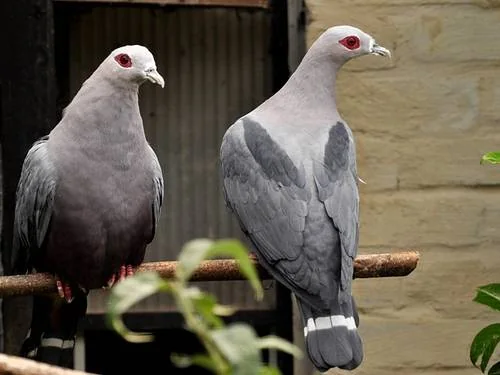
Pinon's Imperial Pigeon
Ducula pinon
Pinon's Imperial Pigeon (Ducula pinon) is a very large imperial pigeon of New Guinea with a grey body, darker wings and a conspicuous red iris and orbital skin. Fou…
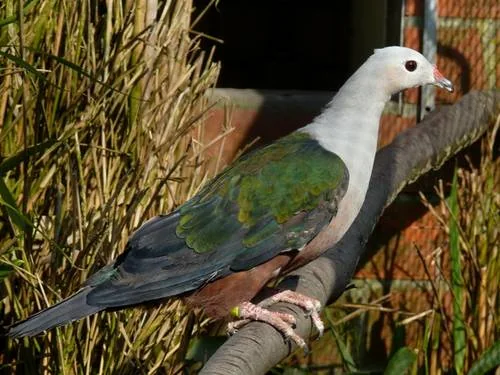
Red-knobbed Imperial Pigeon
Ducula rubricera
The Red-knobbed Imperial Pigeon (Ducula rubricera) is a large imperial pigeon of the Bismarck Archipelago and Solomon Islands. Its name refers to the vivid red cere…
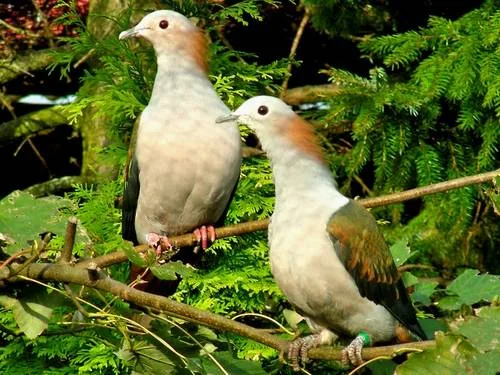
Green Imperial Pigeon – paulina subspecies
Ducula aenea paulina
Ducula aenea paulina is not a separate species but a recognised subspecies of the Green Imperial Pigeon. It occurs on Sulawesi and several neighbouring island group…
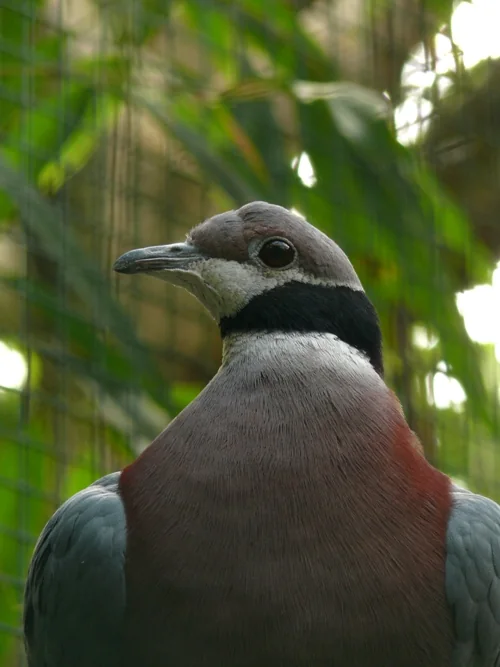
Collared Imperial Pigeon
Ducula mullerii
The Collared Imperial Pigeon (Ducula mullerii) is a large imperial pigeon of New Guinea with a complete black collar, maroon back and dark tail crossed by a pale ba…
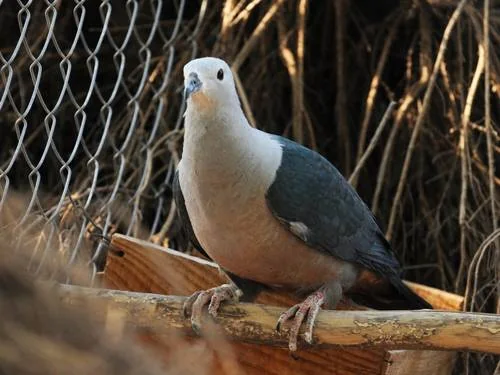
Pacific Imperial Pigeon
Ducula pacifica
The Pacific Imperial Pigeon (Ducula pacifica) is a large fruit-eating pigeon of Melanesia and Polynesia. It is recognised by its pale grey to pinkish-grey underpart…
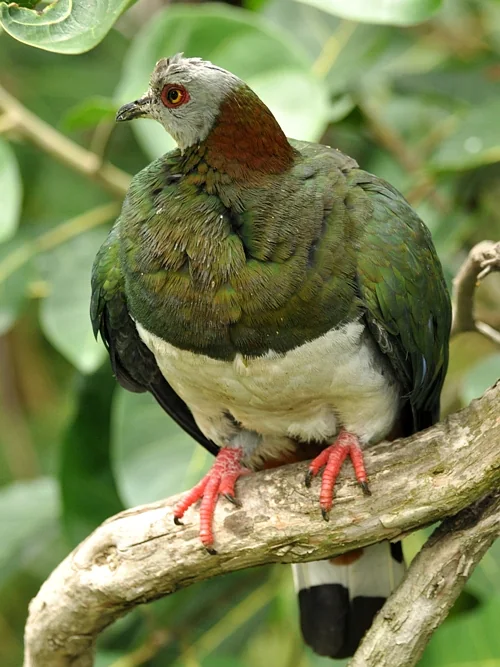
White-bellied Imperial Pigeon
Ducula forsteni
The White-bellied Imperial Pigeon (Ducula forsteni) is a large, strongly contrasting green-and-white imperial pigeon from Sulawesi and neighbouring islands. It inha…
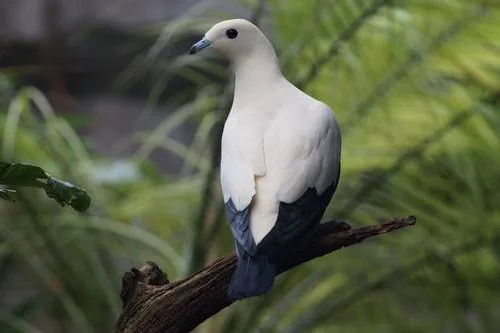
Pied Imperial Pigeon
Ducula bicolor
The Pied Imperial Pigeon (Ducula bicolor) is a large, predominantly white imperial pigeon with black flight feathers and a broad black terminal band on the tail. It…
Gymnophaps (1)
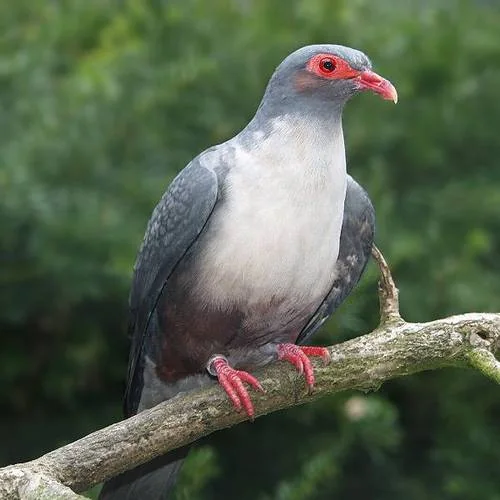
Papuan Mountain Pigeon
Gymnophaps albertisii
The Papuan Mountain Pigeon (Gymnophaps albertisii) is a robust mountain pigeon with a dark head, grey underparts and conspicuous red iris and orbital skin. It inhab…
Megaloprepia (1)
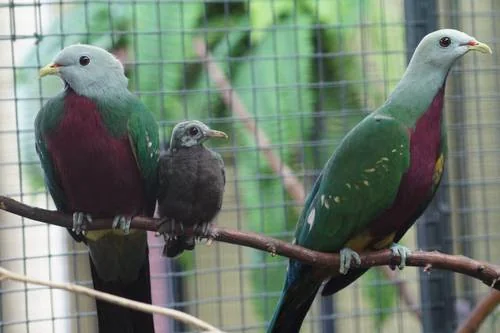
Wompoo Fruit Dove
Megaloprepia magnifica
The Wompoo Fruit Dove (Megaloprepia magnifica) is one of the largest and most vividly coloured fruit doves. Its purple breast, yellow belly, green upperparts and pa…
Phapitreron (1)
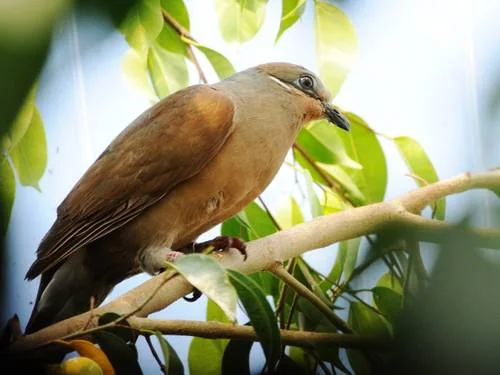
White-eared Brown Dove
Phapitreron leucotis
The White-eared Brown Dove (Phapitreron leucotis) is a medium-sized forest pigeon endemic to the Philippines. A pale stripe behind the eye and darker bordering mark…
Ptilinopus (12)
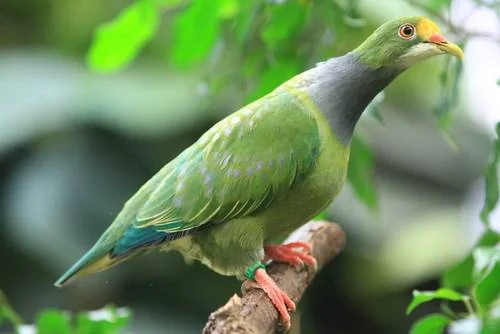
Orange-fronted Fruit Dove
Ptilinopus aurantiifrons
The Orange-fronted Fruit Dove (Ptilinopus aurantiifrons) is a small to medium-sized, predominantly green fruit dove with a conspicuous orange-yellow forehead. It oc…
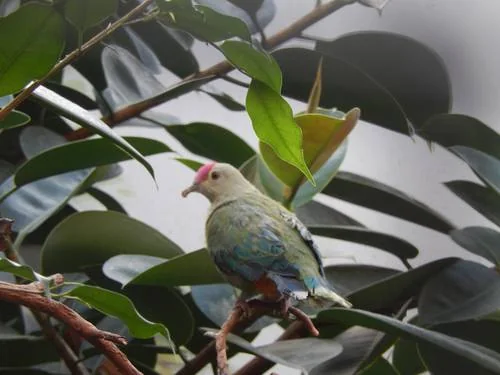
Red-bellied Fruit Dove
Ptilinopus greyii
The Red-bellied Fruit Dove (Ptilinopus greyi) is a small, predominantly green fruit dove of the southwest Pacific. It is characterised by a pale head and a red to p…
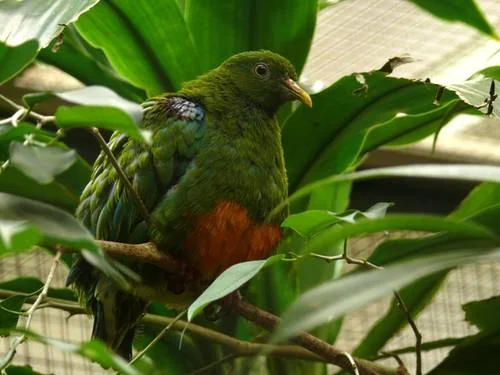
Orange-bellied Fruit Dove
Ptilinopus iozonus
The Orange-bellied Fruit Dove (Ptilinopus iozonus) is a small, predominantly green fruit dove with a vivid orange patch on the lower breast and belly. It occurs in…
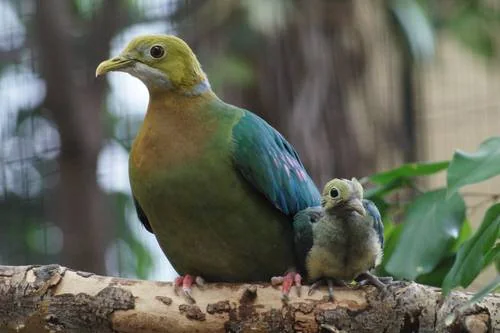
Pink-spotted Fruit Dove
Ptilinopus perlatus
The Pink-spotted Fruit Dove (Ptilinopus perlatus) is a large fruit dove of New Guinea with an olive-green head, pale throat and conspicuous pink spots on the wing c…
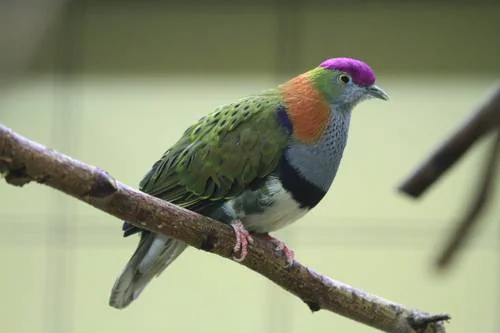
Superb Fruit Dove
Ptilinopus superbus
The Superb Fruit Dove (Ptilinopus superbus) is a small to medium-sized fruit dove with pronounced sexual dimorphism. The male has a violet crown and contrasting ora…
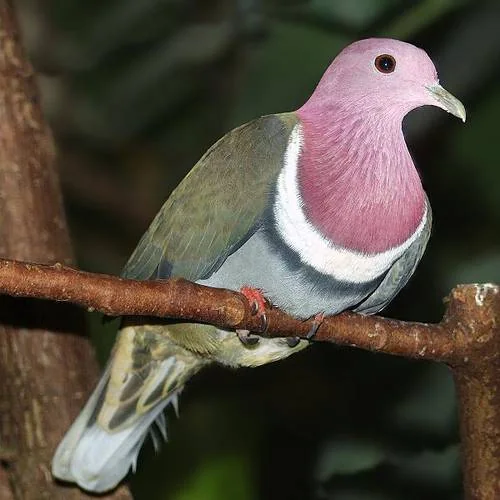
Pink-headed Fruit Dove
Ptilinopus porphyreus
The Pink-headed Fruit Dove (Ptilinopus porphyreus) is a medium-sized montane forest pigeon of the Indonesian islands of Sumatra, Java and Bali. Its deep pink to pur…
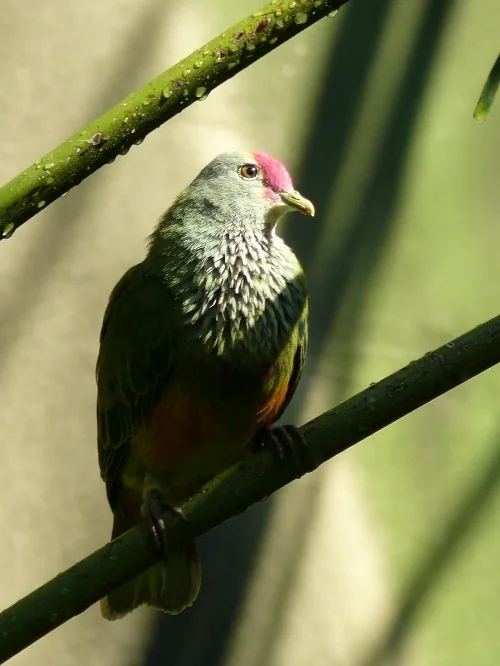
Mariana Fruit Dove
Ptilinopus roseicapilla
The Mariana Fruit Dove (Ptilinopus roseicapilla) is a small fruit dove endemic to the southern Mariana Islands, with a vivid pink crown. It now occurs mainly on Sai…
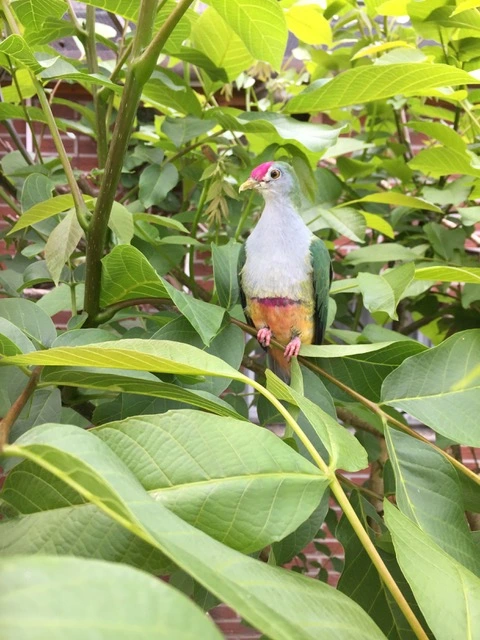
Beautiful Fruit Dove
Ptilinopus pulchellus (Temminck, 1835)
The Beautiful Fruit Dove (Ptilinopus pulchellus) is a small and strikingly colourful fruit dove native to the tropical forests of New Guinea and the Raja Ampat Isla…
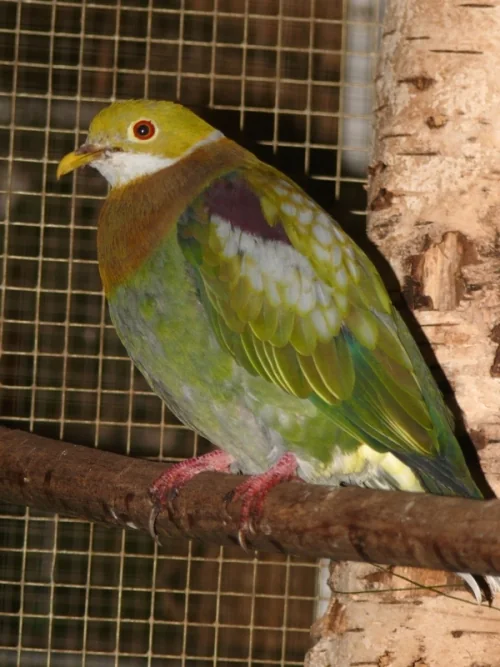
Ornate Fruit Dove
Ptilinopus ornatus
The Ornate Fruit Dove (Ptilinopus ornatus) is a large and strongly patterned fruit dove of New Guinea's hill and montane forests. Depending on subspecies, it has a…
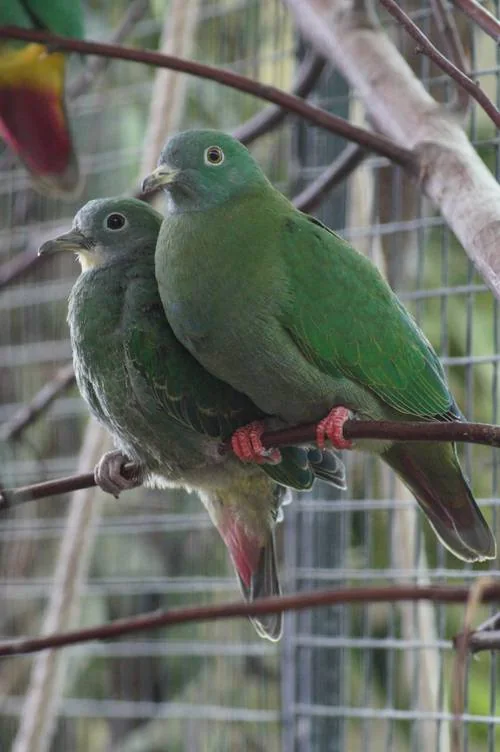
Black-naped Fruit Dove
Ptilinopus melanospilus
The Black-naped Fruit Dove (Ptilinopus melanospilus) is a small Southeast Asian fruit dove with pronounced sexual dimorphism. The male has a black nape and hindcrow…
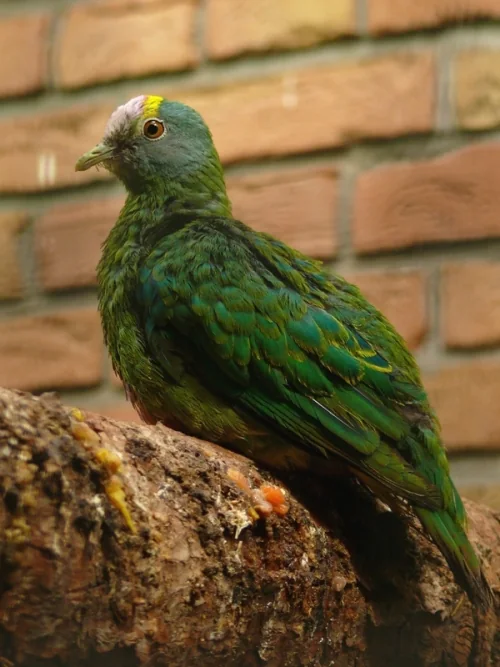
Coroneted Fruit Dove
Ptilinopus coronulatus
The Coroneted Fruit Dove (Ptilinopus coronulatus) is a small, predominantly green fruit dove of New Guinea with a violet-pink crown and yellowish plumage areas. Fiv…
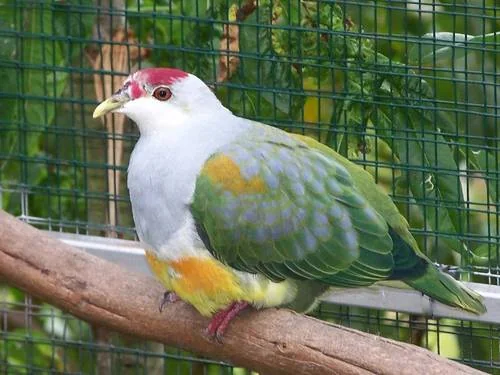
Wallace's Fruit Dove
Ptilinopus wallacii
Wallace's Fruit Dove (Ptilinopus wallacii) is a medium-sized, vividly patterned island pigeon with a red crown, white face and throat, bluish-grey breast and orange…
Ramphiculus (4)
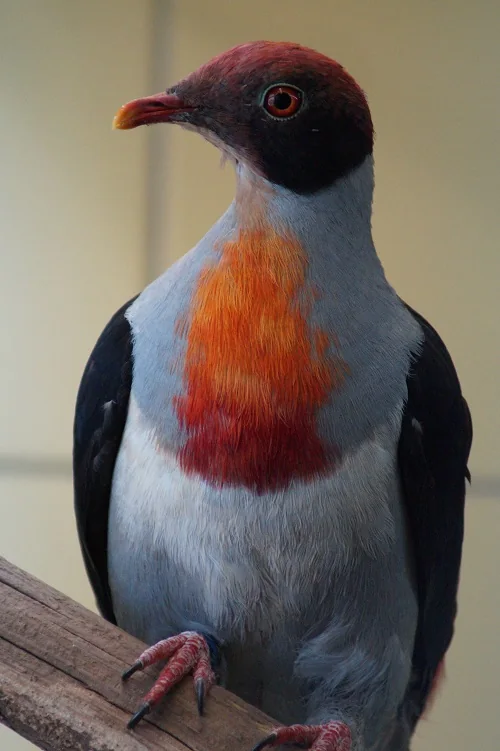
Flame-breasted Fruit Dove
Ramphiculus marchei
The Flame-breasted Fruit Dove (Ramphiculus marchei) is a large, vividly coloured fruit dove endemic to Luzon. It mainly inhabits montane and cloud forest and is glo…
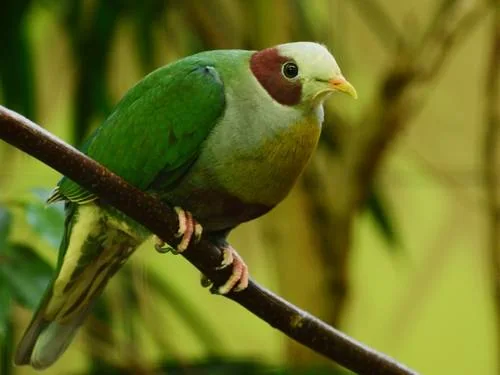
Yellow-breasted Fruit Dove
Ramphiculus occipitalis
The Yellow-breasted Fruit Dove (Ramphiculus occipitalis) is a large Philippine endemic with a yellowish breast, chestnut ear coverts and purple nape. Two subspecies…
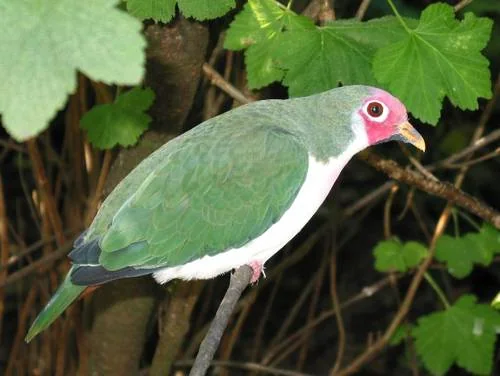
Jambu Fruit Dove
Ramphiculus jambu (J. F. Gmelin, 1789)
The Jambu Fruit Dove (Ramphiculus jambu) is a small, vividly coloured forest pigeon of Southeast Asia. The male combines a bright red face, pale underparts and gree…
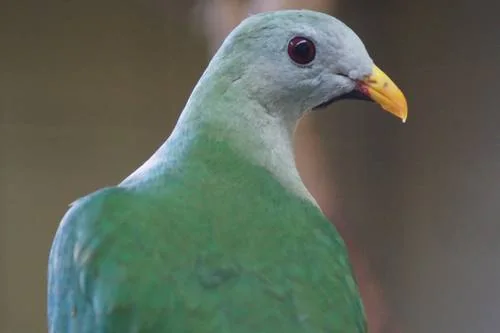
Black-chinned Fruit Dove
Ramphiculus leclancheri
The Black-chinned Fruit Dove (Ramphiculus leclancheri) is a medium-sized, vividly coloured fruit dove of the Philippines and Taiwan. The male has a small black chin…
Treron (4)
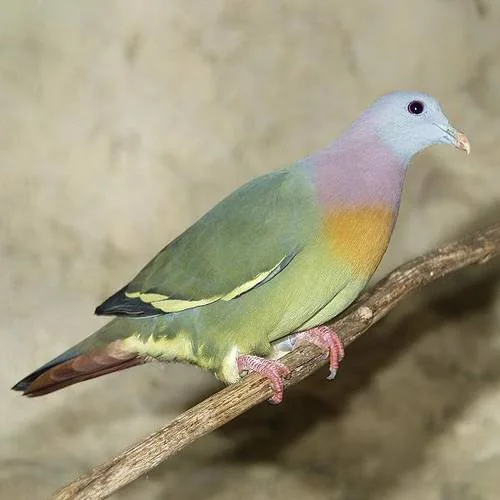
Pink-necked Green Pigeon
Treron vernans
The Pink-necked Green Pigeon (Treron vernans) is a medium-sized Southeast Asian green pigeon with pronounced sexual dimorphism. The male combines a pink neck, orang…
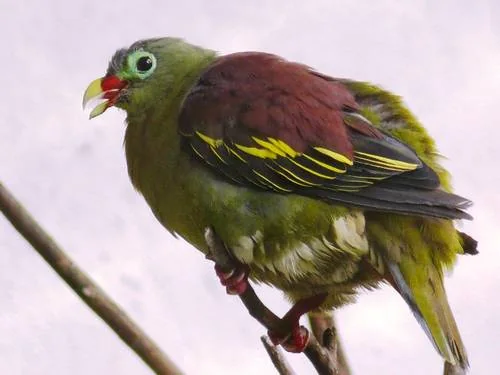
Thick-billed Green Pigeon
Treron curvirostra
The Thick-billed Green Pigeon (Treron curvirostra) is a medium-sized Asian green pigeon with a robust bill, green orbital skin and pronounced sexual dimorphism. Its…
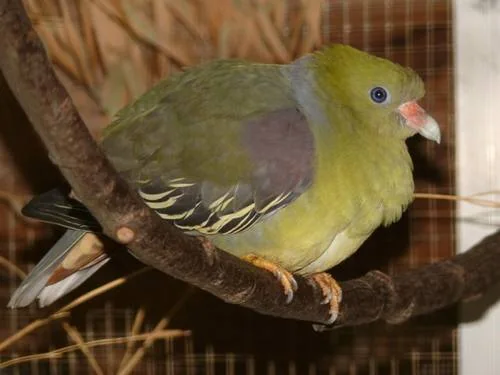
African Green Pigeon
Treron calvus
The African Green Pigeon (Treron calvus) is a robust African green pigeon with green plumage, dull burgundy shoulder areas and a pale bill with a red base. It is wi…
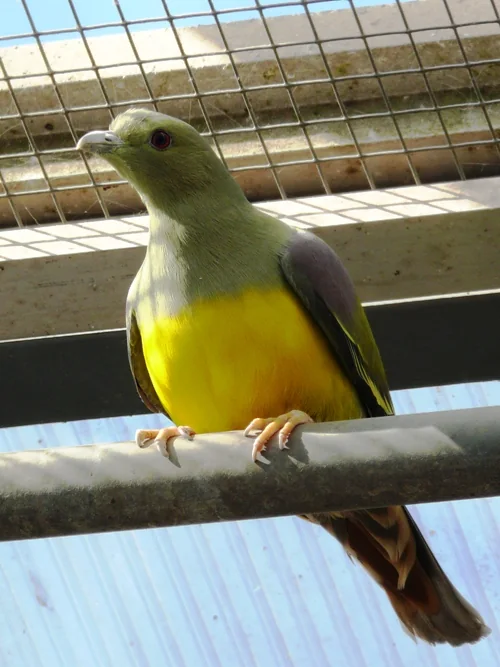
Bruce's Green Pigeon
Treron waalia
Bruce's Green Pigeon (Treron waalia) is a medium-sized green pigeon of African savannas and dry regions and southwestern Arabia. It is characterised by an olive-gre…
What information is included in each species profile?
Individual pages bring together common and scientific names, taxonomy, distribution, habitat, size and identifying features, along with practical notes on feeding, housing and breeding.
- English, German, Dutch and scientific species names
- natural distribution, habitat and identifying characteristics
- experience with diet, aviary husbandry, nesting and offspring
- project status, population context and image documentation