
European Fruit Dove Project
Since 2007, the European Fruit Dove Project has connected private breeders, zoos and bird parks. Together they preserve specialist knowledge, encourage exchange and support responsibly managed breeding lines.
News
- Autumn Meeting 2025 at Cologne ZooThe European Fruit-Dove Project met on 25 October 2025 at the zoo school of Cologne Zoo.
Conserving fruit doves through responsible husbandry and breeding
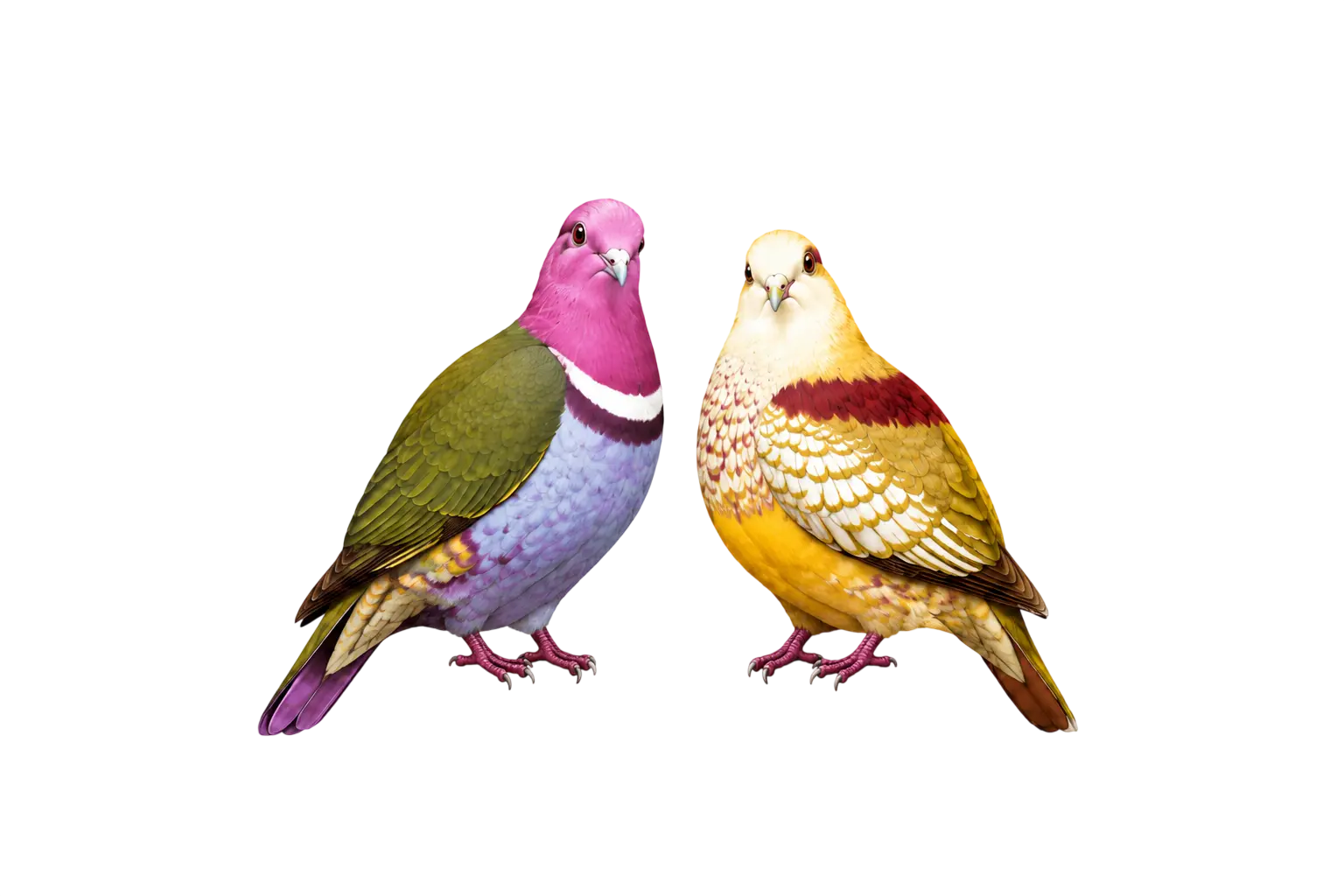
The European Fruit Dove Project connects people involved in the husbandry, breeding and conservation of fruit doves. These birds are admired for their exceptional colours, calm behaviour and close connection to tropical habitats. Because of their striking plumage, many species are not immediately recognised as pigeons or doves.
In their native ranges, many fruit-dove species are increasingly affected by the loss of tropical forests and other important habitats. Responsibly managed populations held by committed private breeders, zoos and bird parks therefore have growing value. They preserve practical experience and specialist knowledge while helping to maintain genetically diverse breeding lines over the long term.
At the same time, the European Fruit Dove Project brings species profiles, stock reports, breeding records, price recommendations and project contacts together in one place. This creates a practical overview that makes it easier to exchange birds, experience and contacts and helps keepers and zoological institutions plan their cooperation more effectively.
Fruit dove species profiles
Multilingual information on taxonomy, distribution, identifying features, diet and husbandry.
Stocks & breeding
Stock and breeding reports provide an overview of birds, breeding results and possible pairings.
Network & exchange
Project contacts, regular meetings and the protected members area support cooperation.
Goals of the European Fruit Dove Project
The project supports fruit-dove husbandry and breeding through cooperation, professional exchange and structured data collection. Four tasks are at the centre of this work.
Exchange husbandry and breeding experience
Participants share experience with housing, feeding, care and breeding. Existing knowledge can be used more effectively and new insights can be developed together.
Coordinate stocks and breeding lines
Central stock and breeding reports provide a clearer overview of available birds, possible pairings and offspring. This supports long-term planning and the development of stable breeding lines.
Organise bird transfers responsibly
Offspring and surplus fruit doves can first be offered within the project network. This helps place birds more purposefully and strengthen existing breeding groups.
Connect keepers, zoos and bird parks
The network brings together experienced keepers, new applicants, zoos and bird parks. It creates contacts and makes it easier to find people with experience in particular species and genera.
Breeders, zoos and bird parks in the network
In spring 2007, committed breeders, zoos and bird parks founded the European Fruit Dove Project at Vogelpark Walsrode. Their shared aim was to support the long-term husbandry and breeding of the genera Ptilinopus, Ducula, Treron, Alectroenas, Gymnophaps and Phapitreron.
At first, the project was part of the wild pigeon interest group within the German Association for Species Conservation, Aviculture and Bird Breeding (AZ). Today, the European Fruit Dove Project works as an independent community of interest. The original idea remains unchanged: sharing knowledge, creating contacts and developing fruit-dove populations together.
The cooperation between scientifically managed zoological institutions and experienced private keepers is especially important. Zoos contribute scientific knowledge, professional infrastructure and international contacts. Private breeders add long-term observations, intensive animal care and practical breeding experience. Both sides benefit from this exchange.
Regular project meetings also provide fixed opportunities for specialist talks, personal discussions and responsible exchange of birds. New contacts are created while existing cooperation continues to grow.
Partner zoos and bird parks
The project depends on exchange with zoological institutions, bird parks and committed partners. Together they combine experience, maintain contacts and support the long-term conservation of fruit-dove populations.







Discover fruit dove species profiles
The multilingual fruit dove species profiles contain information on taxonomy, distribution, identifying features, husbandry, diet and breeding. They give keepers, zoos and interested readers a shared professional foundation and are continuously expanded and updated.
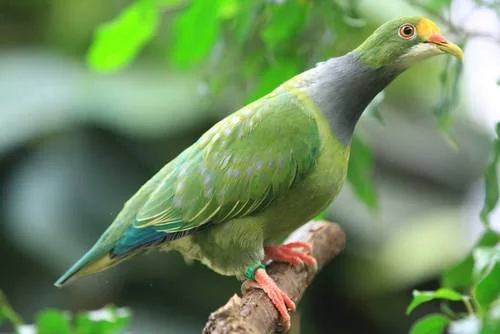
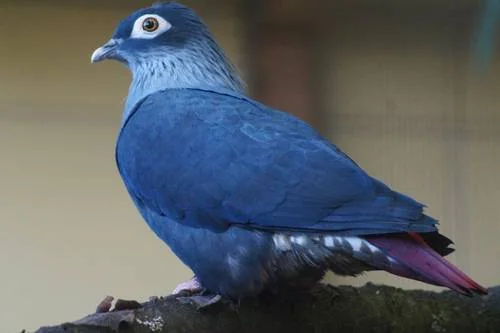
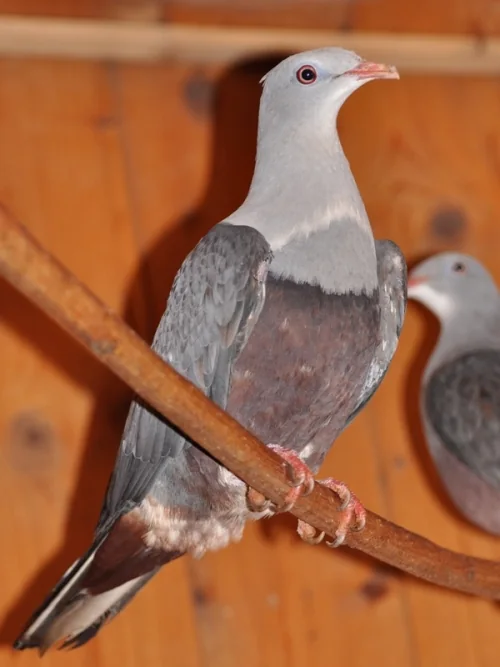
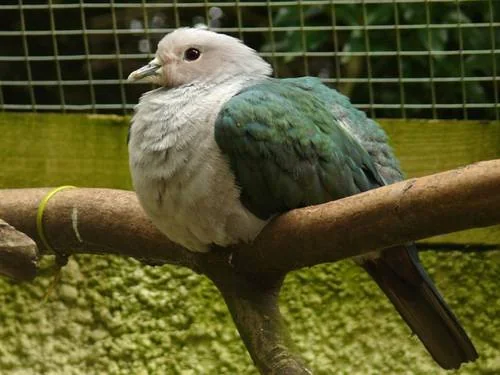
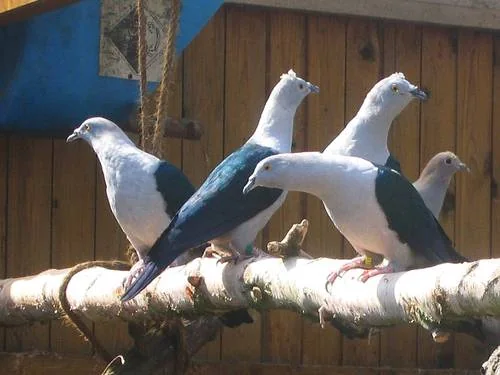
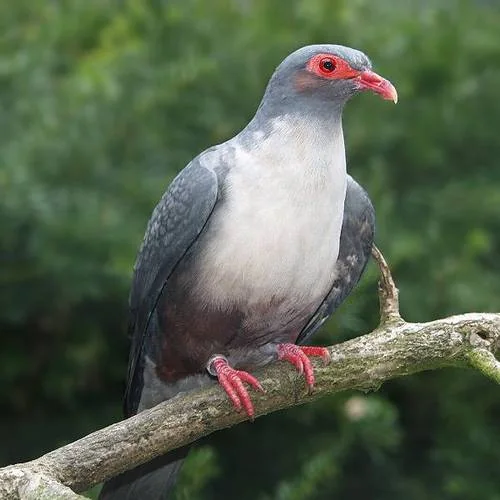
Fruit-dove genera at a glance
Fruit doves usually have a compact body, a short and strong bill, sturdy feet and comparatively short tail feathers. Their often intensely coloured plumage is particularly striking.
The European Fruit Dove Project focuses especially on the following genera:
- Ptilinopus – small to medium-sized fruit doves, often with particularly colourful plumage.
- Ducula – mostly larger fruit doves, also known as imperial pigeons.
- Treron – mainly green doves that are well adapted to life in tree canopies.
- Alectroenas – distinctive island species from the western Indian Ocean.
- Gymnophaps – mountain fruit doves from Southeast Asia and Australasia.
- Phapitreron – brown fruit doves found mainly in the Philippines.
Contacts in the Fruit Dove Project
The European Fruit Dove Project is supported by a network of dedicated contact persons. The project lead and coordinators support professional exchange, maintain contacts and promote national and international cooperation around fruit doves.