ARTENWISSEN & HALTUNG
Fruchttauben-Steckbriefe: Arten, Haltung und Verbreitung
Entdecken Sie fundierte Steckbriefe zu Fruchttaubenarten mit Informationen über Taxonomie, natürliches Vorkommen, Merkmale, Ernährung, Haltung, Zucht und den aktuellen Status im Europäischen Fruchttaubenprojekt.
Fruchttaubenarten im Überblick: Haltung, Verbreitung und Zucht
Die Fruchttauben-Steckbriefe verbinden zoologische Grundlagen mit Erfahrungen aus Haltung und Zucht. Jeder Artensteckbrief erläutert Taxonomie, natürliches Verbreitungsgebiet, Lebensraum, Körpermerkmale, Ernährung und Verhalten. Ergänzende Hinweise zu Volierenhaltung, Fütterung, Paarbildung, Brut und Nachzucht machen die Profile auch für die praktische Arbeit nutzbar. Ergänzende Praxisbeispiele zur Unterbringung finden Sie in unserer Übersicht der Zuchtanlagen und Volieren für Fruchttauben.
Die mehrsprachige Sammlung richtet sich an private Züchter, Zoos, Vogelparks und alle Interessierten, die verlässliche Informationen über Fruchttaubenarten suchen. Inhalte, Bildmaterial und Projektstatus werden fortlaufend geprüft und erweitert. So entsteht eine fachlich belastbare Wissensbasis für Austausch, Bestandsentwicklung und verantwortungsvolle Erhaltungszucht.
Ptilinopus (12)
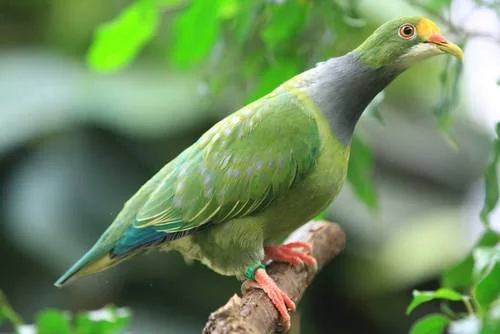
Orange-fronted fruit dove
Ptilinopus aurantiifrons
Welcome to the profile of the Orange-fronted fruit dove (Ptilinopus aurantiifrons). The documented natural range includes coastal regions of New Guinea except the n…
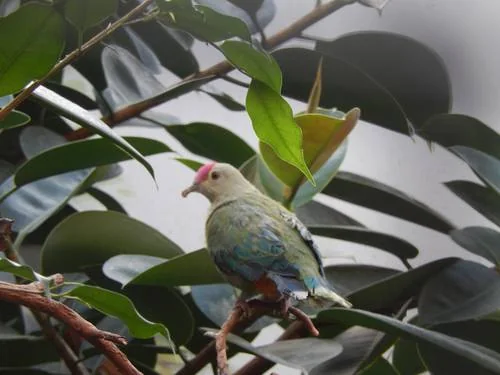
Red-bellied fruit dove
Ptilinopus greyii
Welcome to the profile of the Red-bellied fruit dove (Ptilinopus greyii). The documented natural range includes New Guinea, Île des Pins and the Loyalty Islands. Wi…
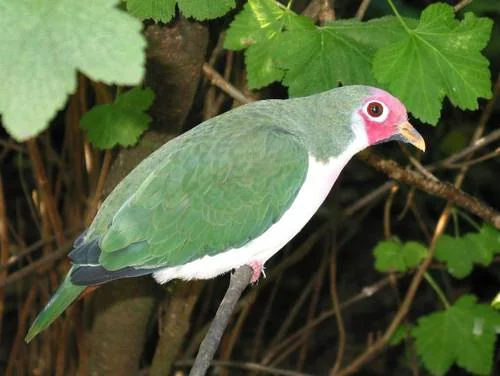
Jambu fruit dove
Ptilinopus jambu
Welcome to the profile of the Jambu fruit dove (Ptilinopus jambu). The documented natural range includes Malay Peninsula, Borneo, Sumatra, Westjava. With a body len…
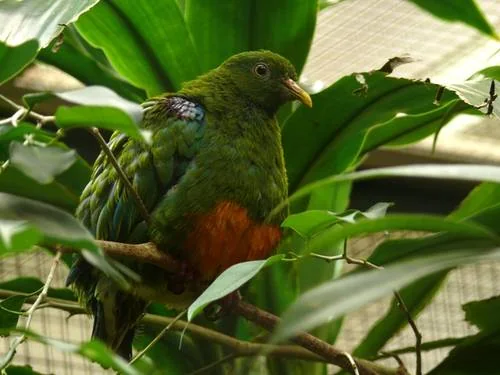
Orange-bellied fruit dove
Ptilinopus iozonus
Welcome to the profile of the Orange-bellied fruit dove (Ptilinopus iozonus). The documented natural range includes New Guinea, Raja-Ampat- and Aru Islands, Yapen…
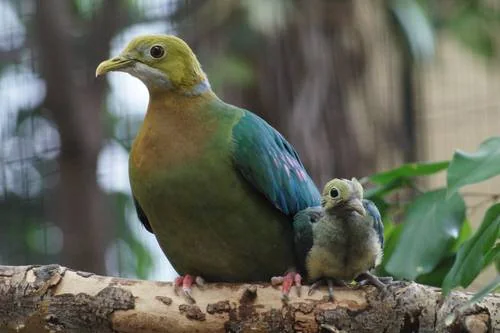
Pink-spotted fruit dove
Ptilinopus perlatus
Welcome to the profile of the Pink-spotted fruit dove (Ptilinopus perlatus). The documented natural range includes New Guinea and offshore islands. With a body leng…
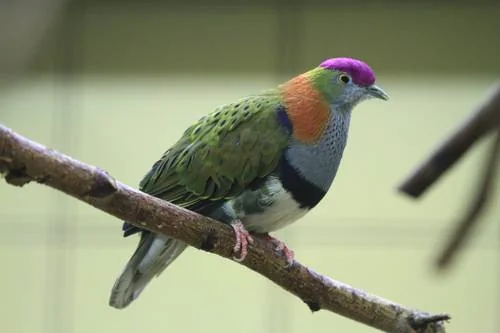
Superb fruit dove
Ptilinopus superbus
Welcome to the profile of the Superb fruit dove (Ptilinopus superbus). The documented natural range includes Sulawesi, southern Moluccas, Aru Islands, New Guinea, B…
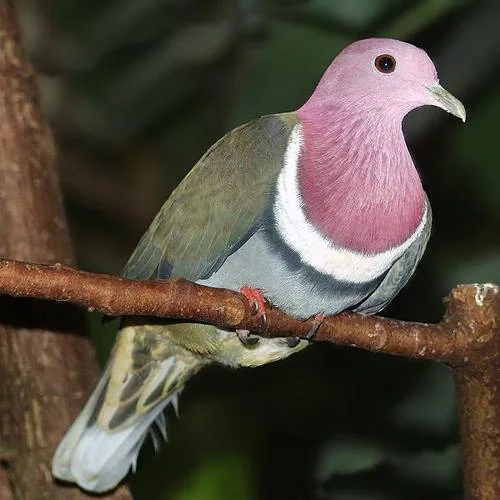
Pink-headed fruit dove
Ptilinopus porphyreus
Welcome to the profile of the Pink-headed fruit dove (Ptilinopus porphyreus). The documented natural range includes Sumatra, Java and Bali. With a body length of 28…
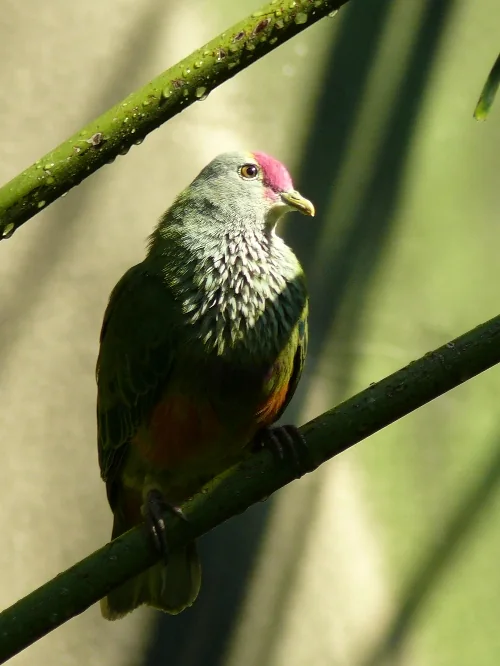
Mariana fruit dove
Ptilinopus roseicapilla
Welcome to the profile of the Mariana fruit dove (Ptilinopus roseicapilla). The documented natural range includes southern Marianen-Islands (Saipan, Tinian, Agiguan…
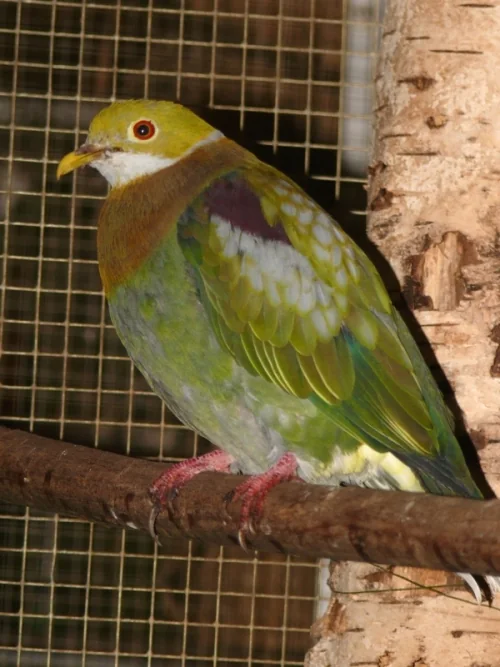
Ornate fruit dove
Ptilinopus ornatus
Welcome to the profile of the Ornate fruit dove (Ptilinopus ornatus). The documented natural range includes New Guinea. With a body length of 25 cm, this species be…
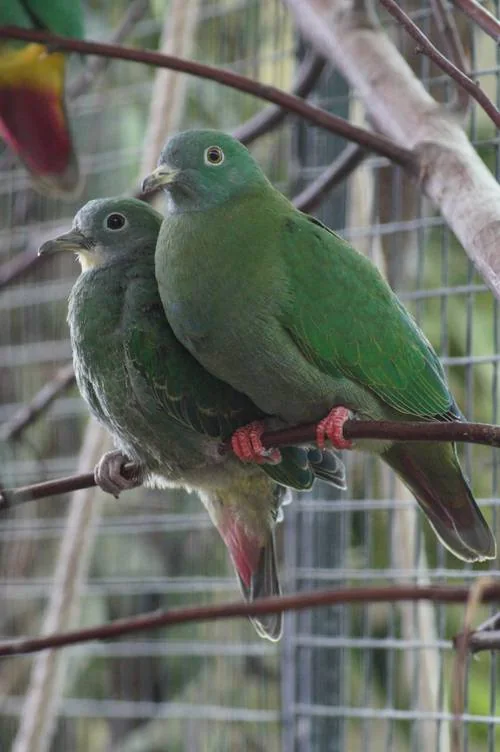
Black-naped fruit dove
Ptilinopus melanospilus
Welcome to the profile of the Black-naped fruit dove (Ptilinopus melanospilus). The documented natural range includes Greater and Lesser Sunda Islands, Sulawesi, Ph…
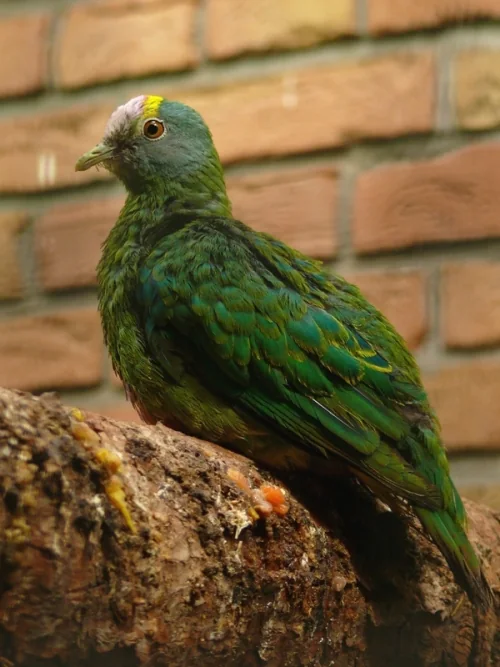
Lilac-capped fruit dove
Ptilinopus coronulatus
Welcome to the profile of the Lilac-capped fruit dove (Ptilinopus coronulatus). The documented natural range includes lowland areas New Guineas, Salawati, Yapen, Ar…
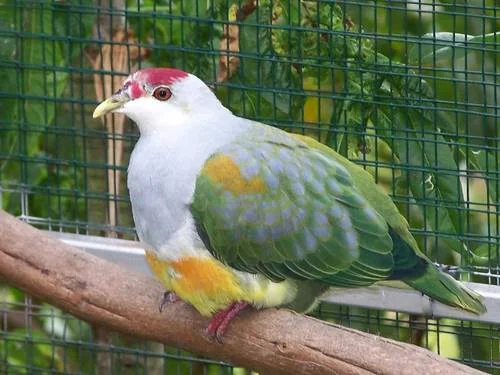
Wallace's fruit dove
Ptilinopus wallacii
Welcome to the profile of the Wallace's fruit dove (Ptilinopus wallacii). The documented natural range includes southern Moluccas, Tanimbar- and Aru Islands, south…
Welche Informationen enthalten die Fruchttauben-Steckbriefe?
Die einzelnen Artenseiten bündeln Namen und Taxonomie, Verbreitung und Lebensraum, Größe und Erkennungsmerkmale sowie Hinweise zu Futter, Haltung und Zucht. Bilder erleichtern die Bestimmung und zeigen typische Unterschiede zwischen Arten oder Geschlechtern.
- natürliches Vorkommen, Lebensraum und besondere Merkmale
- Erfahrungen zu Ernährung, Volierenhaltung, Brut und Nachzucht
- Projektstatus, Bestandsbezug und ergänzende Bilddokumentation
Weitere Informationen zu Zielen, Partnern und Ansprechpartnern finden Sie auf der Startseite des Europäischen Fruchttaubenprojekts.